Most plumbing calls start with something you can see or hear: water where it shouldn’t be, water that won’t go down, no hot water, or a hiss behind a wall. Here’s how we sort each kind of problem, and where to read more.
Leaks and water lines
Signs of a leak: a damp or bulging spot on drywall, a musty smell under a sink, the sound of running water when nothing is on, a soggy strip of yard between the street and the house, or a water bill that jumps for no clear reason. One check you can do yourself: turn off every faucet and anything that uses water, then look at your water meter. If the dial is still moving, water is going somewhere. In a Houston hard freeze, how to protect pipes from freezing covers what to do before the cold arrives.
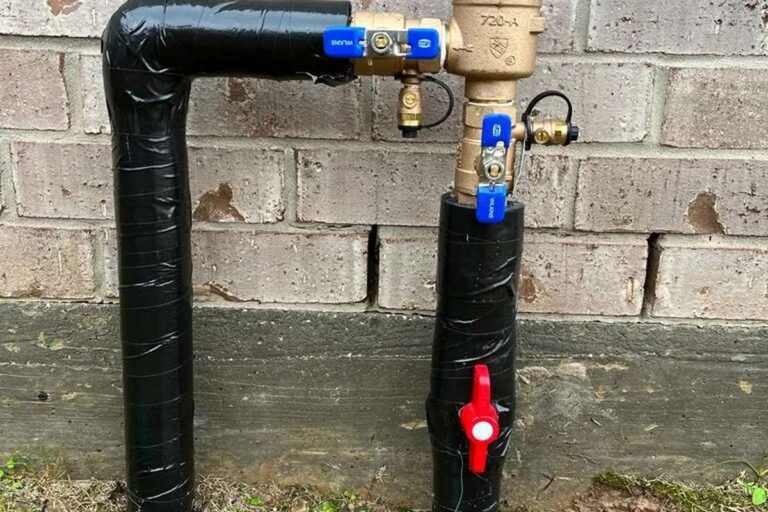
We track down where it’s coming from, repair the pipe or fitting, and get your water back on. If water is coming up at the meter box or in the street, call 311 first (see “Who to Call” below). If the leak is on your side of the meter, tell us when you call and we’ll tell you right away whether it’s a repair we handle. The meter test, the City’s leak-bill credit and water line replacement are covered on our water leak repair page. A leak in the pressurized water lines under the foundation is a slab leak, and that’s one repair we don’t do. If water is running right now, how to shut off the water to your house shows where the valves are.
Drains and sewer
One slow sink or tub is usually a clog near that fixture. When several drains back up together, or water rises in the tub as the toilet flushes, the trouble is in the main line. Our drain cleaning page covers both. Lines coated with grease or scale may need hydro jetting, which cleans them back to the pipe wall with high-pressure water. And if a camera shows the pipe itself is cracked, sagging or full of roots, see sewer line repair and cast iron replacement, where we explain the ways to reach pipe under a house.
Water heaters
No hot water, a puddle under the tank, rusty hot water or a popping sound usually means a tank water heater needs a repair or is near the end of its life. See water heater repair and replacement for gas and electric tanks. If your tankless unit shows an error code or runs hot and cold, or you’re thinking about switching, see tankless water heaters.
Houston’s hard water (the City’s 2025 report averages 135.5 mg/L) leaves scale in tanks and tankless units, one reason they wear out.
Repiping older homes
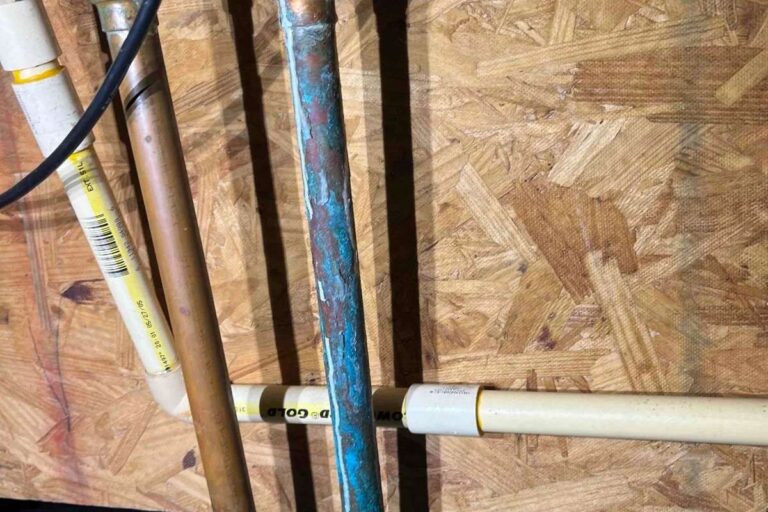
Pinhole leaks that keep moving, rusty water from several faucets and weak pressure through the whole house are the signs a home is due for new supply lines. A repipe replaces them through the house in PEX or copper; see whole-house repiping for what it includes and what to ask before you sign. Our repiping cost guide explains what changes the cost of a whole-house repipe.
Smaller repairs and inspections
Smaller repairs too: call and we’ll tell you right away whether it’s one we handle. Toilets and faucets have their own page, toilet and faucet repair, and so do garbage disposals, water softeners and sewer cleanouts.
Plumbing inspections. Buying an older home, or just want to know where things stand? A technician can go through the house with you and point out what needs attention now and what can wait.
What we don’t do
We don’t repair slab leaks, and we don’t work on septic systems, water wells or electrical. If your problem is one of those, we’ll say so on the phone, so you’re not waiting on a visit that can’t help.
Sources: City of Houston 2025 water quality report